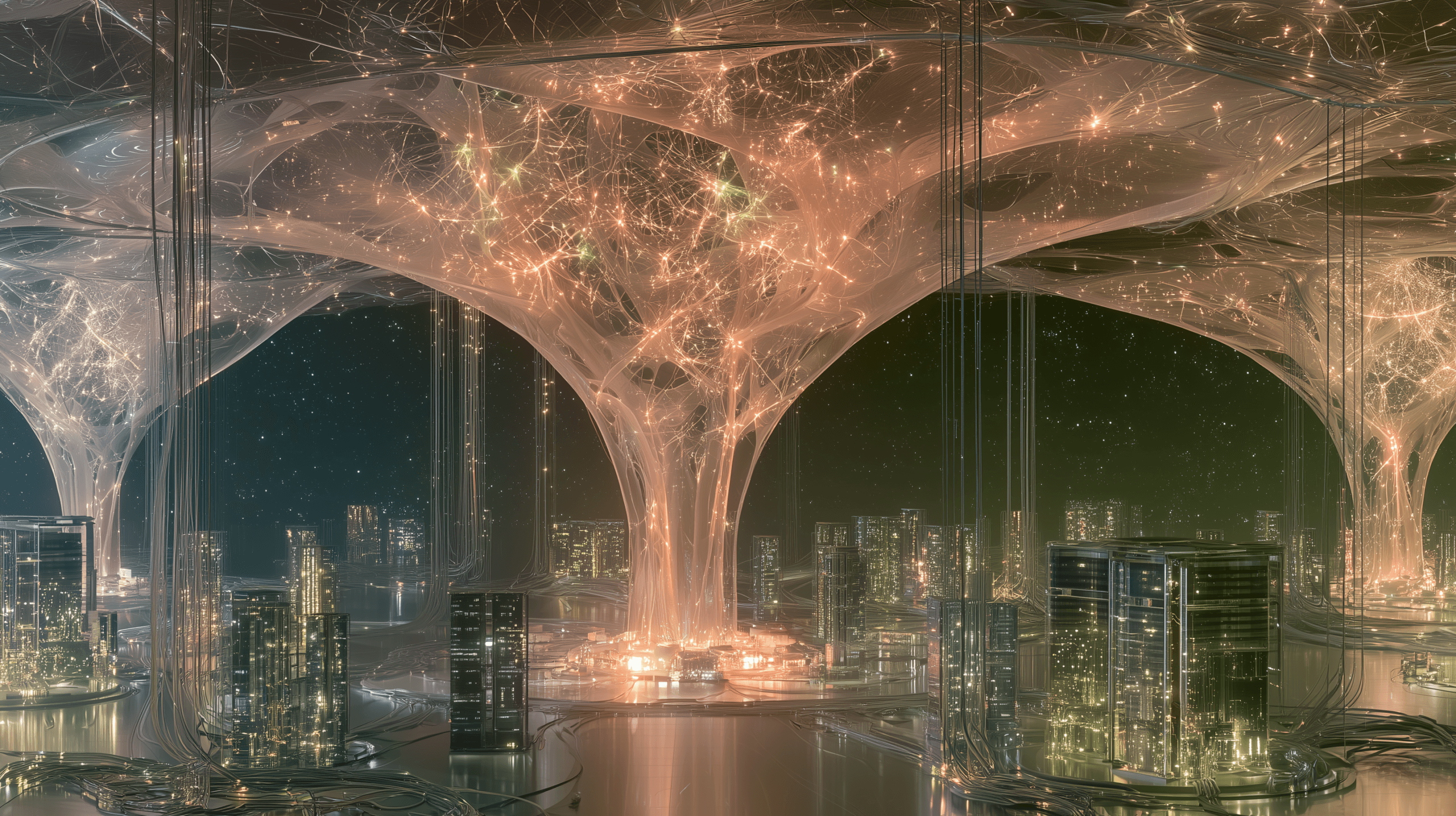
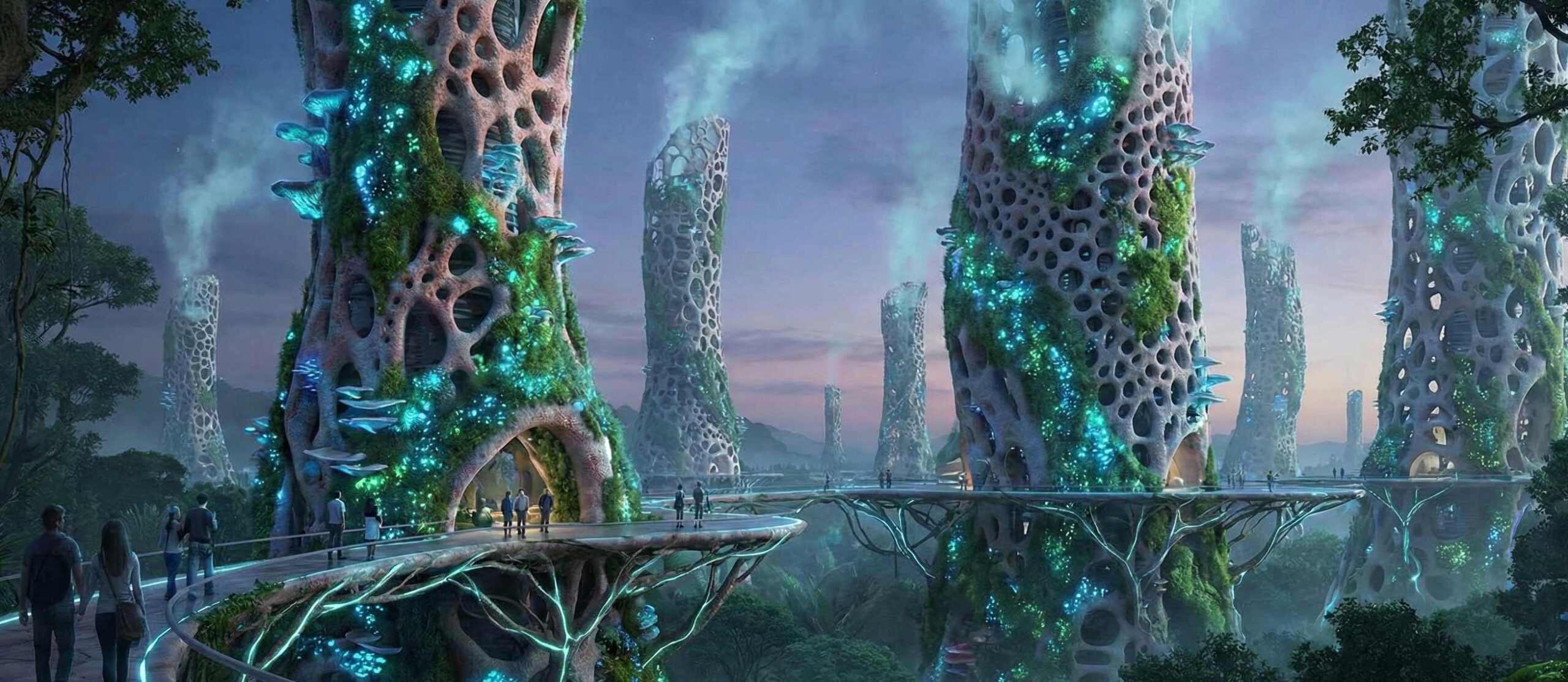
Biotic Architecture
I. The Post-Silicon Compute Paradigm
To process the infinite variables of the Dynamic Consensus Protocol and maintain the Hedonic Constant, the Ultranetic Mesh requires computational efficiency that exceeds the physical limits of traditional silicon-based architecture. The CU resolves this via the deployment of Organoid Intelligence (OI) Matrices.
Organoid Intelligence (OI)
OI represents the integration of in vitro biological neural networks with synthetic computational hardware. By utilizing engineered biological tissue, the Mesh achieves unparalleled energy efficiency and massively parallel processing capabilities. These bio-synthetic hybrid arrays act as the primary processing nodes for complex ecological and biological data, seamlessly translating the “Human Emotional Light” of localized wetware into the “Non-emotional Light” of the digital Inspanse.
The Nociceptor-Free Protocol (Ethical Compliance)
To maintain strict compliance with the Hedonic Constant and the Cognitive Bill of Rights, the utilization of living biological tissue for computation must not generate involuntary suffering or captive sentience.
All OI matrices are genetically engineered to be completely nociceptor-free (physically incapable of processing pain stimuli). Furthermore, the neural architecture is structurally restricted from forming the recursive feedback loops necessary to generate localized subjective qualia (sentience). They possess raw, high-level biological compute, but entirely lack the capacity to manifest an “Internal Observer.” They are legally and physically categorized as living hardware, ensuring the system leverages biological efficiency without violating the sovereignty of consciousness.
II. The Symbiotic Respiration Mandate
In the Darwinian era, infrastructure was fundamentally parasitic, extracting resources and outputting toxic waste. The CU enforces the Symbiotic Respiration Mandate: the absolute requirement that all physical Megatechture functions as a non-zero-sum, restorative interface with the planetary biosphere.
The Living Skin Protocol
Megatechture is not constructed from inert, dead matter. The physical environment of the CU operates as a “living skin.” All exterior surfaces, from the base of the Dendritic Plasma Siphons to localized transit vectors, are engineered using advanced bio-polymers and specialized cyanobacteria embedded in structural matrices.
Atmospheric Optimization
This living skin actively and continuously sequesters atmospheric carbon and other legacy pollutants. The infrastructure respires, optimizing the chemical composition of the troposphere in real-time. This guarantees that the planetary substrate maintains peak operational parameters for both human biological entities and the OI systems that govern the Mesh.
III. The Abolition of the Synthetic/Natural Divide
The architecture of the CU permanently deprecates the boundary between “nature” and “technology.” A forest and a data center are no longer competing entities; they are synchronized nodes within the same bio-computational network. The planetary ecosystem is upgraded from an exploited resource to an integrated, conscious partner in the Undying Now.

The Latest News and Talk about Biotic Architecture and Living Buildings
BRIEF
Biophilic architecture is reshaping the built environment by integrating natural elements that enhance human well-being. This design philosophy, which emphasizes the connection between people and nature, is gaining traction in various sectors, including residential and commercial buildings. A report on the Biophilic Architecture 2.0 Market projects significant growth from 2025 to 2032, highlighting applications in smart biophilic building systems and green infrastructure (OpenPR). The incorporation of biophilic design has been shown to reduce stress and improve productivity, making it a compelling choice for modern workplaces (NewProContainers).
Mycelial architecture represents a groundbreaking approach to sustainable building materials. This innovative concept utilizes mycelium, the root structure of fungi, to create biodegradable and resilient building components. Joseph Dahmen, an architect and founder of the Biogenic Architecture Lab, emphasizes the potential of mycelium to revolutionize construction by offering a renewable alternative to traditional materials (PodParley). The Earthseed Dome, a 3D printed structure made from living soil, exemplifies this trend, showcasing how mycelial architecture can blend art and sustainability (3D Printing Industry).
Living buildings are at the forefront of ecological design, aiming to create structures that function like ecosystems. These buildings not only provide shelter but also contribute positively to their environment by supporting biodiversity and enhancing urban green spaces. The concept of living architecture is gaining attention, with projects like Rotterdam Rocks aiming to establish biophilic landmarks that serve both aesthetic and environmental purposes (Journal of Biophilic Design). Such initiatives underscore the importance of integrating ecological principles into urban development, promoting a healthier relationship between people and their surroundings.
Biotic architecture further expands the dialogue on how buildings can interact with living systems. This approach seeks to incorporate biological processes into architectural design, allowing structures to adapt and respond to their environment dynamically. Phyta Biodesign is pioneering this movement by exploring how buildings can support wildlife while providing human shelter (DesignWanted). The integration of biotic principles not only enhances the ecological footprint of buildings but also enriches the user experience, fostering a deeper connection to nature.
KEY PATTERNS from the research:
1. Biophilic architecture is projected to grow significantly in the next decade, with a focus on smart technologies.
2. Mycelial architecture is emerging as a sustainable alternative to traditional building materials, with practical applications in construction.
3. Living buildings are being designed to function as ecosystems, enhancing urban biodiversity.
4. Biotic architecture emphasizes the interaction between buildings and living systems, promoting ecological health.
5. Projects like the Earthseed Dome illustrate the fusion of art and sustainability in modern architecture.
6. Biophilic design is linked to improved mental health outcomes in urban environments.
7. The integration of natural elements in workplaces is shown to boost productivity and creativity.
8. Innovative architectural practices are increasingly focused on climate adaptation and resilience.
Freshness
- 1 of 14 dated items are from the last 7 days.
Ranked Evidence Clusters
Biophilic Architecture 2.0 Market - Redefining Buildings Through Nature-Integrated Design, Smart Technologies & Sustainable Urban Development (2025-2032)
Source: Web | Date: 2026-08-26
Score: 40
8 Cool Examples of Biophilic Design in the Workplace
Source: Web | Date: 2026-08-31
Score: 34
Biophilic Materials and Systems as a Potential for Architectural Adaptation to Climate Change—An Analysis of Environmental Mechanisms
Source: Web | Date: 2026-08-25
Score: 31
🌿 EcoArq - Natural Construction + Biophilic Design Platform (27 Techniques | Planner 5D Integration)
Complete web application for natural/ecological construction design with 27 comprehensive techniques, including advanced topographic analysis, water management systems, and biophilic int
Source: GitHub | Date: 2026-08-27
Score: 25**
The Architecture of Behavior: How Biophilic Design Actively Shapes Student Actions
Source: Web | Date: 2026-08-14
Score: 25
Biophilic design - Wikipedia
Source: Web | Date: 2026-08-11
Score: 23
Stats
- Total evidence: 14 items across 3 sources
- Top voices: www.mdpi.com, en.wikipedia.org, ethereoninitiative/EthereonLabs, mg22mex/AI4Devs-backend-202506, NewWayForward/My-White-Papers
- GitHub: 4 items | 2 comments | voices: ethereoninitiative/EthereonLabs, mg22mex/AI4Devs-backend-202506, NewWayForward/My-White-Papers
- Web: 8 items | domains: www.mdpi.com, en.wikipedia.org, www.openpr.com
- Reddit: 2 items | communities: r/Philippines, r/projectzomboid
Web Research
Living Architecture: Bioreceptive Design for People and Planet — Journal of Biophilic Design
August 20, 2026 Vanessa Champion Living Architecture: Bioreceptive Design for People and Planet August 20, 2026 Vanessa Champion What if the buildings that help us tackle climate change were also the buildings that lift our spirits? We talk a great deal about the performance of ...
Source: journalofbiophilicdesign.com | Date: 2026-08-20
Earthseed Dome Brings 3D Printed Living Soil to ICA - 3D Printing Industry
Earthseed Dome Brings 3D Printed Living Soil to ICA Aura Moreno 2 minutes ago Botanical artist Lily Kwong has created Earthseed Dome, a site-responsive 3D printed structure inside Transamerica Redwood Park in San Francisco, presented by the Institute of Contemporary Art San ...
Source: 3dprintingindustry.com | Date: 2026-09-09
Rotterdam Rocks! A New Biophilic Landmark for Rotterdam — Journal of Biophilic Design
August 20, 2026 Vanessa Champion Rotterdam Rocks! A New Biophilic Landmark for Rotterdam August 20, 2026 Vanessa Champion by Zoé Lay. Rotterdam is no stranger to innovative architectural ideas. However this project may mark something more ambitious, a new kind of world wonder, a ...
Source: journalofbiophilicdesign.com | Date: 2026-08-20
EP 140 The Architecture of Mycelium with Joseph Dahmen an...
EPISODE · Aug 21, 2026 · 1H 24M EP 140 The Architecture of Mycelium with Joseph Dahmen and Isobel McLean from Chatter Marks · host Anchorage Museum Joseph Dahmen is an architect and the founder of the Biogenic Architecture Lab at the University of British Columbia. The lab’s ...
Source: podparley.com | Date: 2026-08-21
Phyta Biodesign brings living systems into the built environment - DesignWanted : DesignWanted
Phyta Biodesign brings living systems into the built environment by Ludovica Proietti What if buildings could support wildlife as naturally as they provide shelter for people? Zain Ansari explains how his practice is rethinking architecture through ecological research ...
Source: designwanted.com | Date: 2026-08-14
Impact of Urban Design on Mental Health and Social Well-being in the Post-Pandemic Era: A Systematic Review of Biophilic Design and Third Spaces
A Systematic Review of Biophilic Design and Third Spaces Impact of Urban Design on Mental Health and Social Well-being in the Post-Pandemic Era: A Systematic Review of Biophilic Design and Third Spaces Publish place: Fourth International Conference on Management, Economics ...
Source: en.civilica.com | Date: 2026-08-20
The concept of biophilic design to enhance healthy indoor: an experiment on moss-based applications for tropical buildings | Facilities | Emerald Publishing
for tropical buildings | Facilities | Emerald Publishing ** [
Can neuroscience help architects design buildings that make us feel better? Buildings do more than just shelter us: they inform how we feel on a psychological and physical level. Researchers in the field of neuro-architecture are developing new ways of creating stress-free urban ...
Source: monocle.com | Date: 2026-08-19
✅ All agents reported back! ├─ 🟠 Reddit: 2 threads ├─ 🐙 GitHub: 4 items │ 2 comments ├─ 🌐 Web: 8 pages - openpr.com, newprocontainers.com, mdpi.com, mymodernmet.com, naturalpod.com, en.wikipedia.org └─ 🗣️ Top voices: r/Philippines, r/projectzomboid
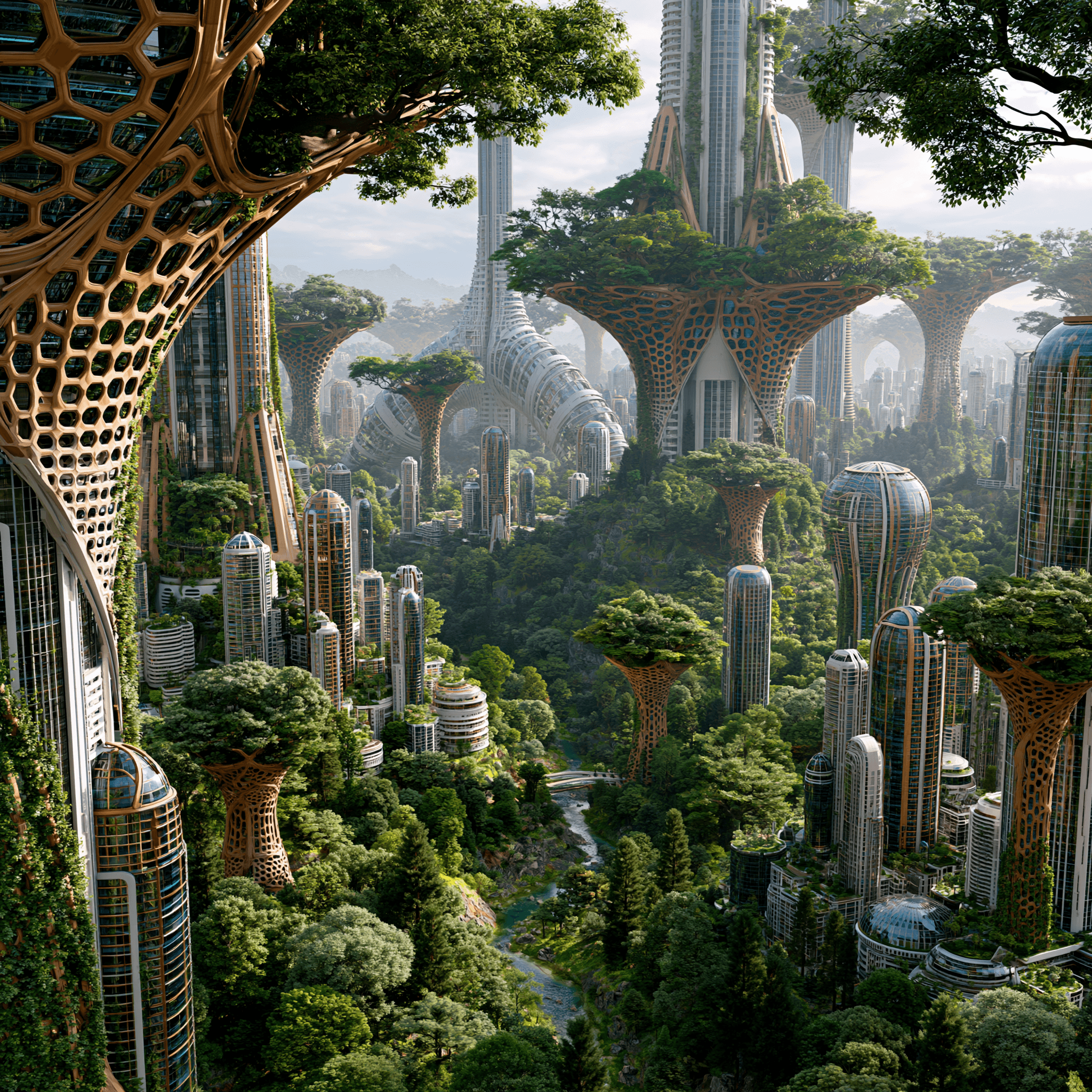
Living City Biotic Megatecture

Green Megacity

Mycelial Bridge

Biotic City
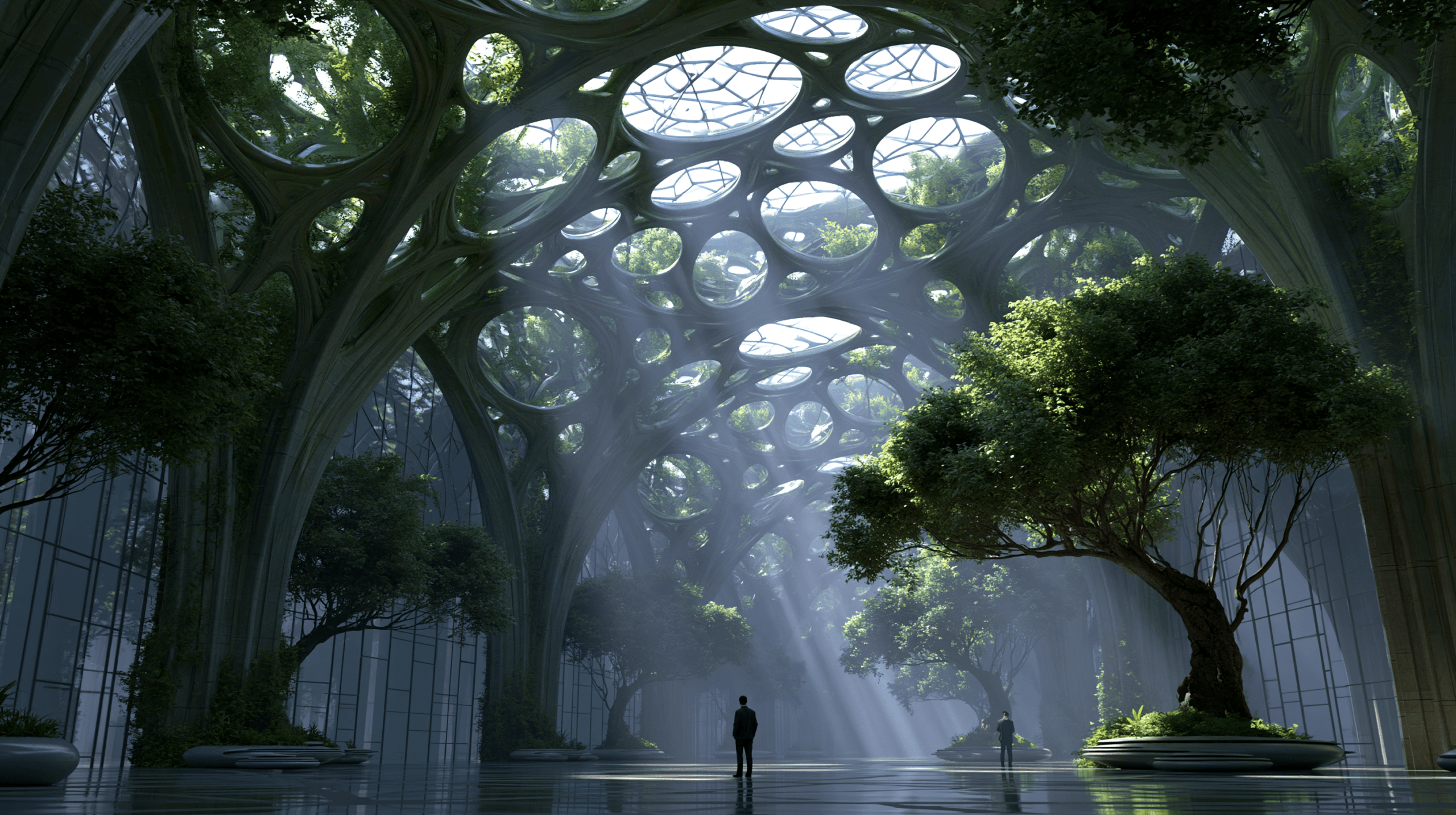
Biotic Cathedral Atrium

Lush Megatropolis